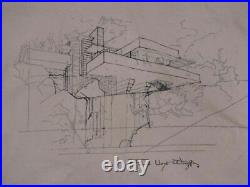
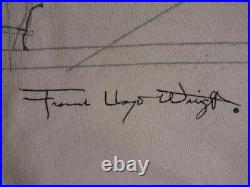
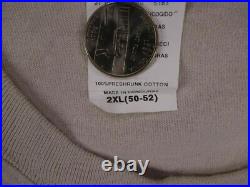
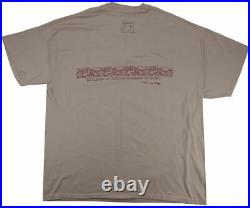
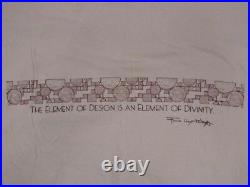
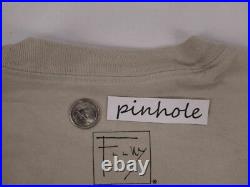
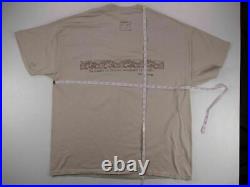
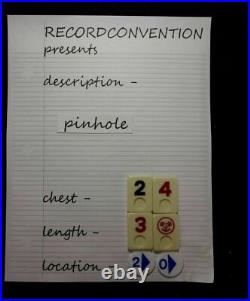
An authentic vintage t shirt! This t shirt is lightly worn with pinhole (see pics). Frank Lloyd Wright Collection Hanes Beefy-T 2XL (50-52) 100% Preshrunk Cotton. 24 inches across chest. 30 inches collar to bottom. Vintage t shirts can run smaller than the tag says. For best results measure your favorite t shirts and compare. All clothes are cleaned when received and stored in airtight bins. See my store for more hand picked vintage t shirts!
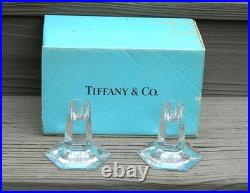
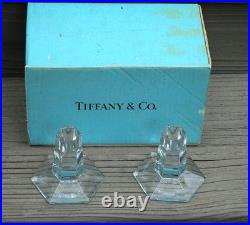
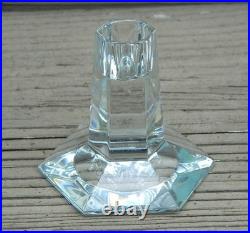
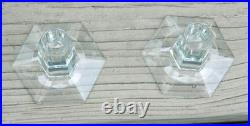
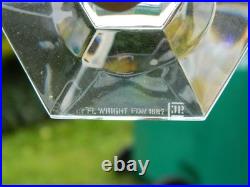
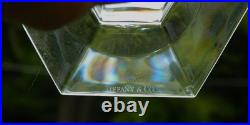
Tiffany Frank Lloyd Wright 3.5 crystal candlesticks Signed 1987 Box. Up for sale is a pair of crystal Tiffany and Co candlesticks designed by Frank Lloyd Wright. These are signed “Tiffany” and “FL WRIGHT FND 1987″ and comes with the original box (there is some wear on the box). Each measures roughly 3 ½ tall and are in excellent condition with no haziness, chips or cracks. I pack items carefully. Make every effort to. Provide an accurate description. F an item is not as. Good Luck and God Bless.
The Ennis is inspired by Frank Lloyd Wright’s “Mayan Revival” textile block homes in Southern CA. Originally made of concrete, a “new” construction material in the 1920′s The Blocks were able to lend a textural appearance showing varying depths. This clock is an example of this type of concept made of case resin and showing multiple layers taken directly from the Ennis house’s block designs. To replicate the case concrete there is a sand finish to the case, and it is mounted on a washed gray ash wood base. The accurate quartz movement uses (1) AA battery (not included). Frank Lloyd Wright Architectural Inspiration – Modeled after Wright’s “Mayan Revival” textile-block homes in Southern California, this clock echoes concrete block layers and geometric forms. Sand-Finished Case Resin – The sand-textured resin case mimics the rugged, poured-concrete look of the original Ennis House blocks. Washed Gray Ash Wood Base – Mounted on a subtly stained ash wood platform for added warmth and architectural authenticity. Quiet-Sweep Quartz Movement – Features a silent, continuous sweep seconds hand-ideal for noise-sensitive spaces-powered by a single AA battery (not included). Compact & Stylish Size – Compact profile (7?? H × 6.6?? W × 2.5?? D / 17.8? ×? 16.8? ×? 6.4? Cm), perfect for desks, mantels, and shelves.
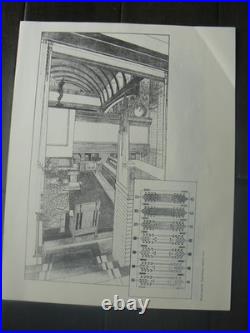
MR WRIGHT WAS AWAY WHEN A STAFF MEMBER KILLED 7 PERSONS AND BURNED TALIESIN. APART FROM THIS EPIC TRAGEDY, COPIES OF HIS 2 VOLUME WASMUTH EDITION WHICH WERE STORED WITHIN AND WERE WATER-DAMAGED. WATER DAMAGE ON MANY WAS ON THE MARGINS, WHICH WERE BLANK, SOMETIMES CREEPING INTO THE DRAWING, BUT WHEN MATTED LOOK FINE. THE FOTO ABOVE IS ACTUALLY OF ANOTHER PRINTED BOOK FORMAT BECAUSE IT IS BLACK INK, NOT WHAT WRIGHT CHOSE FOR HIS BOOK, BUT EASIER TO VIEW. THIS PUBLICATION DID NOT INCLUDE MANY INTERIORS AND THIS IS ONE OF THE BEST. IT WILL BE SENT IN A BOX.
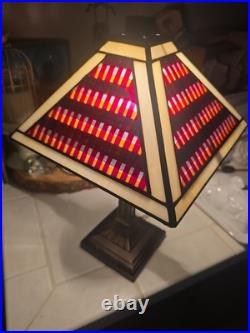
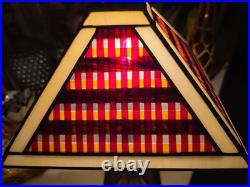
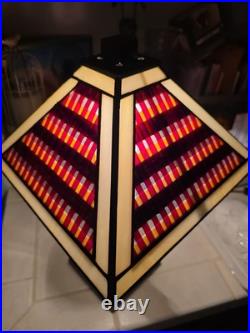
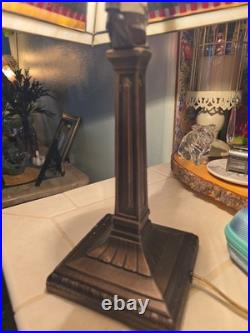
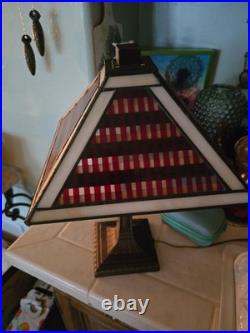
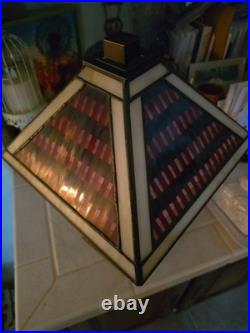
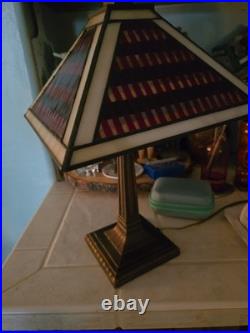
The mission-style or prairie-style stained glass pyramid table lamp is a unique and eye-catching piece that adds a touch of vintage charm to any room. With its distinctive geometric design and rich colors, this lamp serves both functional and decorative purposes. Perfect for collectors or those looking to add a statement piece to their home, this lamp is sure to be a conversation starter and a focal point in any space.
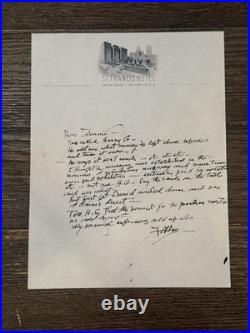
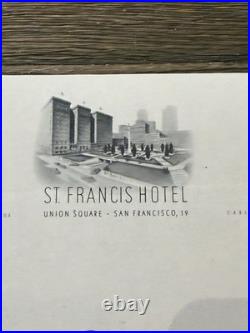
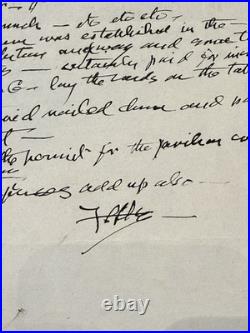
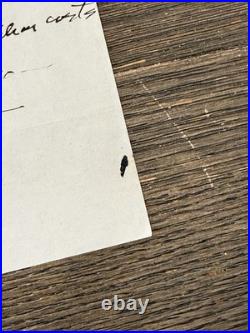
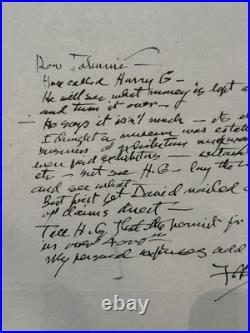
Frank Lloyd Wright Handwritten Memorandum Signed “FLLW”. Offered is an original handwritten memorandum by legendary American architect Frank Lloyd Wright, written on stationery from the historic St. Francis Hotel, Union Square, San Francisco. Unlike formal dictated correspondence, this working note provides a fascinating look into Wright’s day-to-day business activities. The memorandum discusses museum planning, exhibition expenses, financial matters, and instructions regarding payments and reimbursements. Wright references Harry G. , believed to be Harry Guggenheimer, one of his close business associates during the later years of his career. The note concludes with Wright’s characteristic “FLLW” initials, the abbreviated signature he frequently used on internal notes and working memoranda. Original Frank Lloyd Wright handwritten memorandum. Signed “FLLW” by Frank Lloyd Wright. Written on historic St. Francis Hotel, San Francisco stationery. Discusses museum planning and exhibition finances. Excellent research potential for Wright scholars and collectors. Wonderful example of Wright’s everyday working correspondence. Light age toning and minor wear consistent with age. Ink remains strong and fully legible. Please examine all photographs carefully, as they are part of the description. An uncommon opportunity to acquire an authentic handwritten working memorandum from one of the most influential architects of the twentieth century. While formal signed letters by Frank Lloyd Wright appear periodically on the market, handwritten business memoranda such as this provide a far more intimate glimpse into the daily operation of his office and remain highly desirable to collectors of architectural manuscripts.
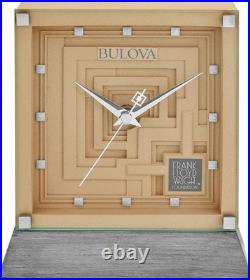
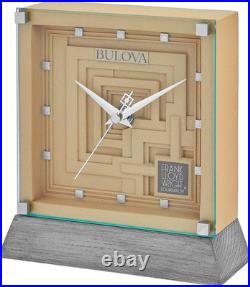
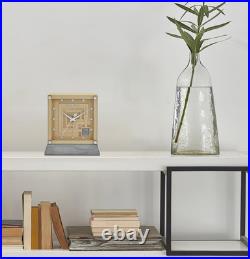
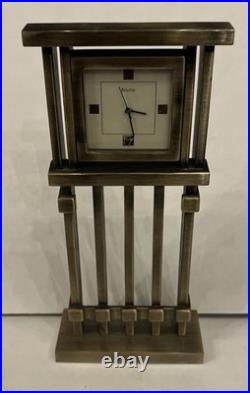
The Vintage Bulova Frank Lloyd Wright Willits Mantel Clock (model B7746) is a beautifully designed decorative collectible that adds a touch of elegance to any space. Made of brass with a gold color, this original Bulova clock is powered by quartz and features an analog display. With its sleek rectangular shape and classic mantel design, this vintage clock is sure to be a standout piece in any collection. Perfect for those who appreciate the timeless charm of Frank Lloyd Wright’s designs and the craftsmanship of Bulova watches.
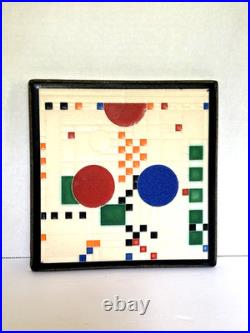
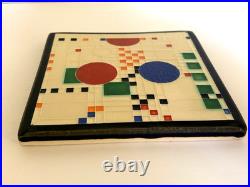
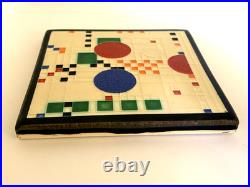
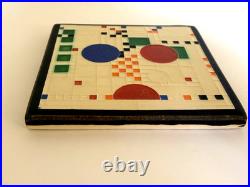
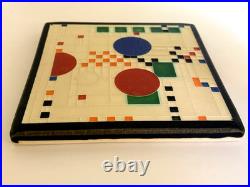
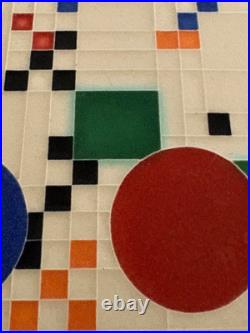
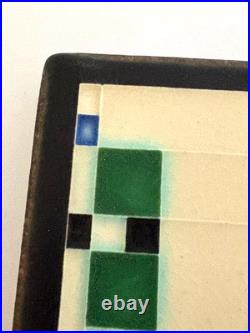
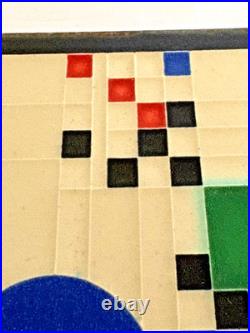
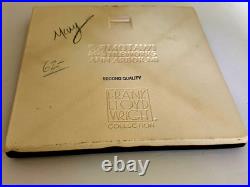
Motawi Tileworks – Coonley Playhouse Tile. Based on one of several windows Frank Lloyd Wright designed for the. Avery Coonley Playhouse in Riverside, Illinois. The Playhouse was a used as a kindergarten and the windows suggest balloons, confetti and flags. Like most Motawi 8×8 tiles, the tile is closer to 7 3/4″ x 7 3/4″. Unused like-new condition, the tile has been marked as a “second”. Still lovely, I believe it was marked as a second due to a some slight glaze bleed around the green squares. There is also a small black dot in two of the corners and some glaze thinness in spots.
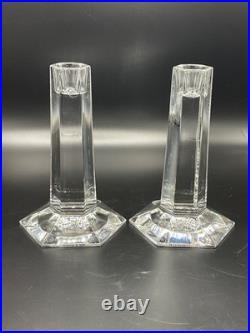
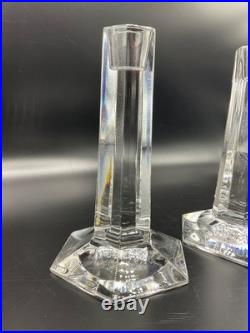
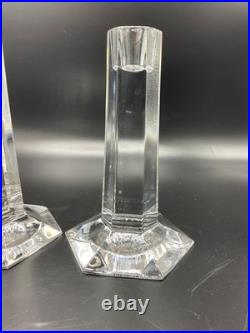
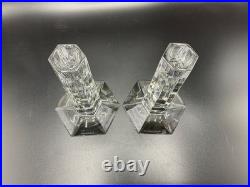
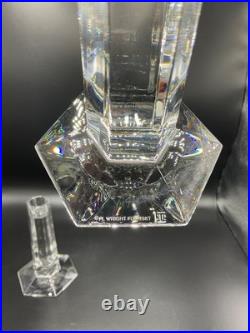
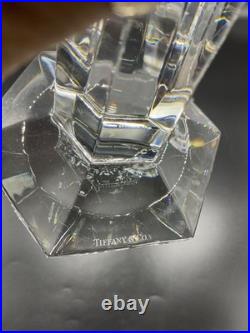
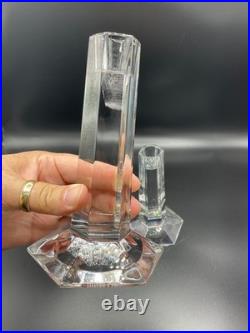
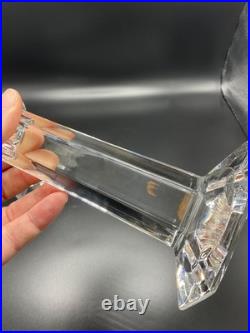
Pair of Tiffany & Co Frank Lloyd Wright 6 Candlesticks – Set 2. In great condition no chips or cracks. Scratches on the bottom only. Please note that photographing Crystal is very difficult and a lot of the images look like they’re imperfections, when they are not.
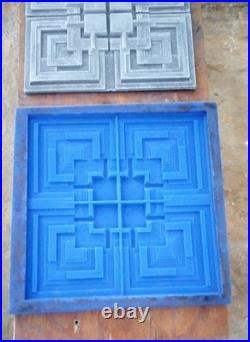
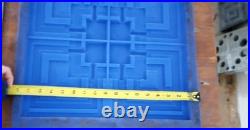
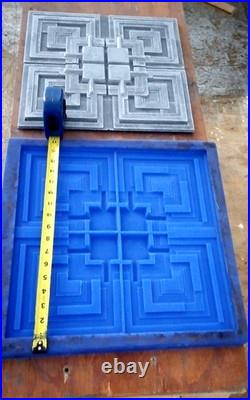
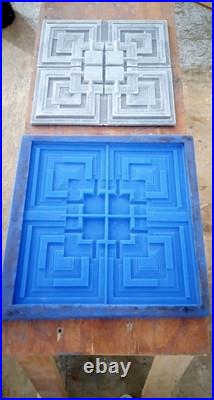
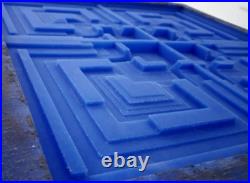
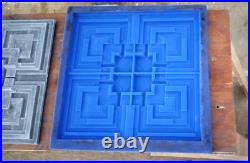
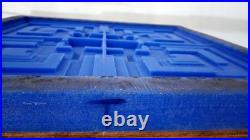
This product is a 15.89 x. 98 Tile Panel Silicone Casting Mold is inspired by the movie Blade Runner and Frank Lloyd Wright’s Ennis House. It features a stone-look design with a geometric pattern, a smooth surface texture, and a chiseled edge design. Make your own tiles out of ceramic, marble, stone, and cement, this tile is suitable for various applications such as commercial use, kitchen backsplash, outdoor spaces, and indoor wall tiles. With a polished finish and features like frost resistance, waterproofing, and shockproof properties, this tile is perfect for adding a touch of Mid-Century Modern style to any room. Tongue and Groove top and bottom built into the design/mold for secure vertical installs. Able to part with four of these molds.