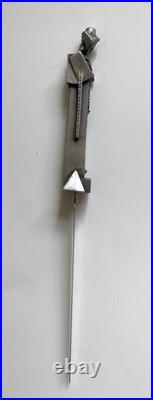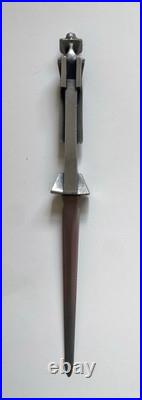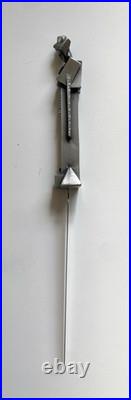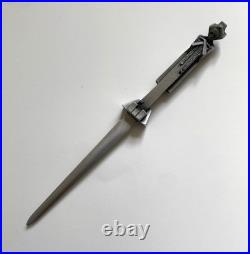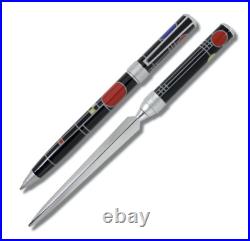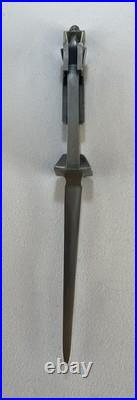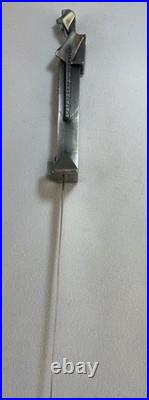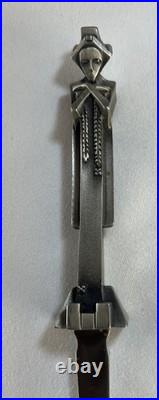
Archived ACME Studio “Playhouse” Ball Point Pen/Letter Opener by Frank Lloyd Wright NEW “Playhouse” Ball Point Pen & Letter Opener Set, a design inspired by Frank Lloyd Wright, comes from ACME Studio’s Archives. The design has silver line work with red, yellow, and blue accents on a black background that are reminiscent of the windows in the child’s playhouse designed by Wright for Avery Coonley in the suburbs of Chicago – representing balloons and confetti in a Fourth of July Parade. Pens by ACME Studio: We encourage you to research these pens to better understand their collectability and their ever increasing value. Check out their website and while there be sure to look at the “ACME Archives” page; there you will see many of the pens we have for sale and their current values. About ACME Studio Started in 1985, ACME Studio is an international product design company, producing and marketing writing instruments, and other design objects. Its products are the result of cooperation with the world’s leading architects, designers, artists, foundations, estates and institutions. ACME Studio has a habit of producing limited editions and/or discontinuing products and destroying the molds – this causes items to become very unique and collectible.
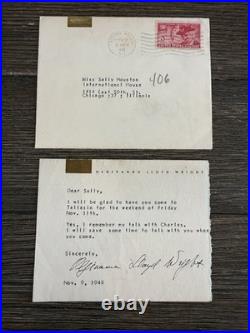
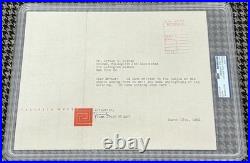
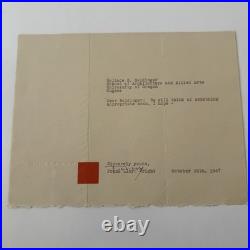
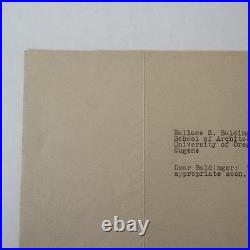
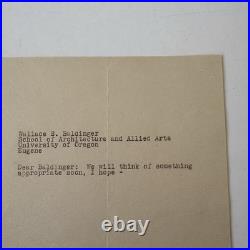
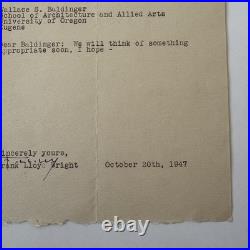
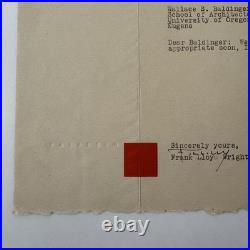
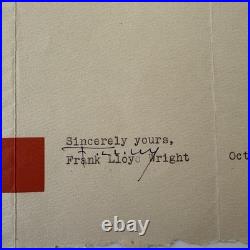
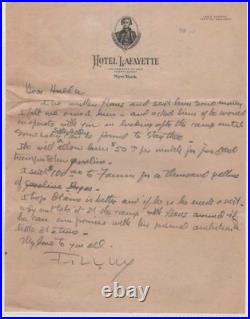
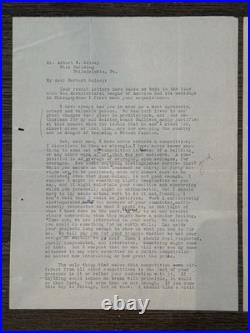
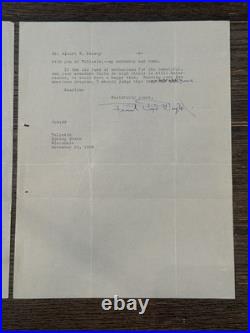
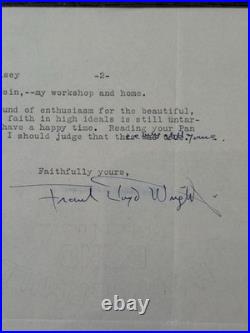
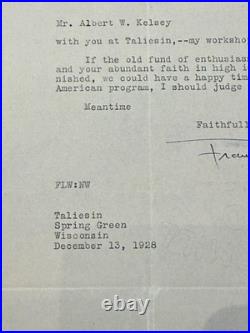
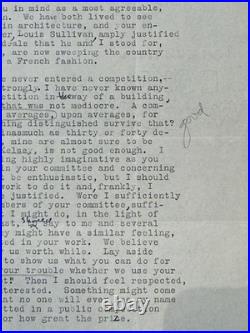
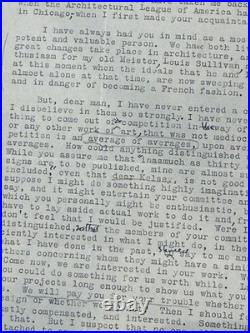
This product is a signed letter form from Frank Lloyd Wright to Hulda Drake in the early 1940′s. The letter is an original piece from the United States and has been signed by FLLW himself. Although the autograph authentication is not confirmed, this collectible item holds historical significance and would be a valuable addition to any collection or display. AS TWO OF FRANK LLOYD. WRIGHT’S MORE RELIABLE. APPRENTICES BLAINE AND HULDA DRAKE WERE CALLED UPON MANY TIMES. AFTER 1941 THE YEAR. THEY LEFT TALIESIN TO PURSUE WORK FOR THE GOVERNMENT DURING THE WAR, SINCE THEY WERE STILL IN ARIZONA THEY RECEIVED MANY LETTERS AND TELEGRAMS ASKING THEM TO HELP KEEP AN EYE ON THE “CAMP” WHICH LATER BECAME. KNOWN AS “TALIESIN WEST”. THIS IN ONE OF MANY OF SUCH ITEMS.
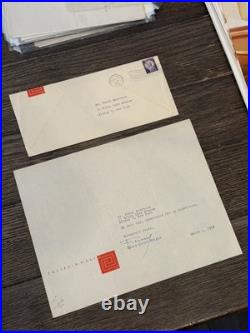
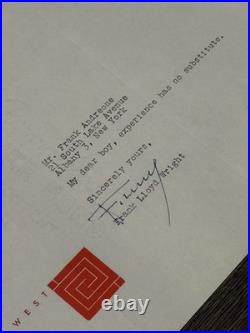
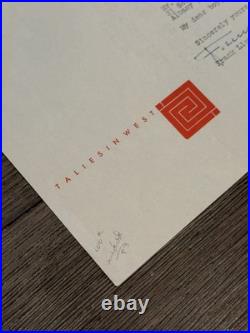
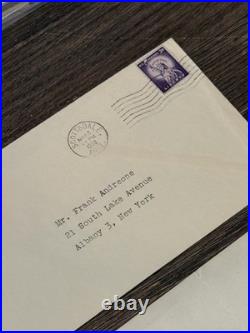
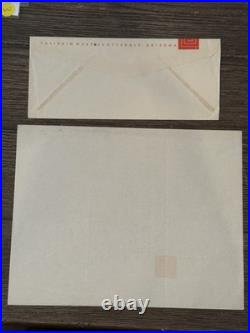
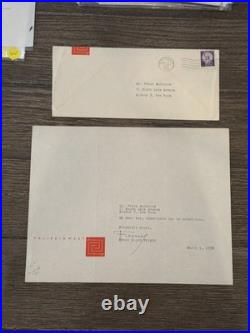
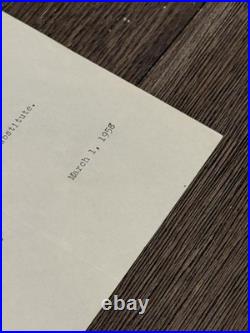
Offered here is an original typed letter signed by legendary American architect Frank Lloyd Wright, dated March 1, 1958, and sent from his iconic Taliesin West studio in Scottsdale, Arizona. The letter is addressed to: Mr. Frank Andreone 21 South Lake Avenue Albany 3, New York? Full Letter Transcription: Mr. Frank Andreone 21 South Lake Avenue Albany 3, New York My dear boy, experience has no substitute. Sincerely yours, (signed) Frank Lloyd Wright March 1, 1958? About the Correspondence This brief yet powerful note reflects Wright’s famously direct and philosophical communication style. Written just one year before his passing in 1959, the letter captures the voice of a master near the end of his career. The recipient, Frank Andreone, appears to have been a younger correspondent-possibly a student, admirer, or aspiring architect-based on Wright’s tone (“My dear boy”). Wright was known to regularly engage with young architects and enthusiasts, particularly those interested in apprenticing at Taliesin or seeking guidance in the field. At this time, Wright was actively operating out of Taliesin West, his winter home and architectural laboratory in Scottsdale, where he trained apprentices and continued designing some of his most ambitious late works, including the Guggenheim Museum in New York. Historical Context By 1958, Frank Lloyd Wright was widely recognized as one of the most influential architects in history. His mentorship through the Taliesin Fellowship shaped generations of designers, and correspondence such as this provides insight into his personal philosophy-valuing lived experience above all else. Short, quotable statements like this are highly desirable among collectors, as they encapsulate Wright’s worldview in a single, memorable line. Details & Condition. Original typed letter on Taliesin West letterhead. Bold red Taliesin insignia present. Hand-signed by Frank Lloyd Wright in ink. Dated: March 1, 1958. Includes original addressed envelope (postmarked Scottsdale, AZ). Light age toning consistent with period. Overall excellent vintage condition with strong signature? Provenance This letter comes from the collection of a prominent Scottsdale estate and collector, adding an additional layer of authenticity and regional significance-particularly given its origin at Taliesin West itself. Why This Piece Matters. Personally signed by Frank Lloyd Wright. Late-career correspondence (just one year before his death). Direct connection to Taliesin West, Scottsdale. Concise philosophical statement-highly displayable. Includes original mailing envelope? Perfect For. Collectors of architectural history. Frank Lloyd Wright enthusiasts. Designers & architects. Fine art / manuscript collectors. Scottsdale / Taliesin West provenance collectors.
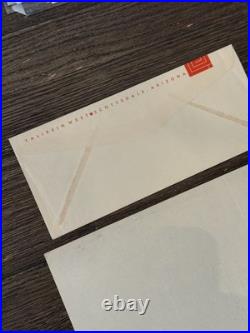
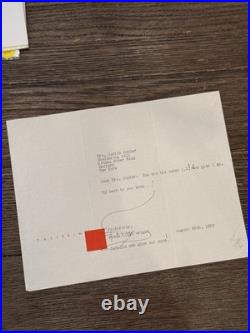
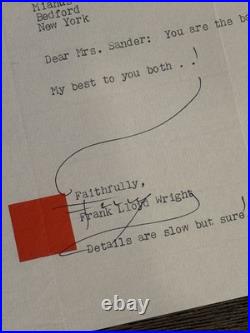
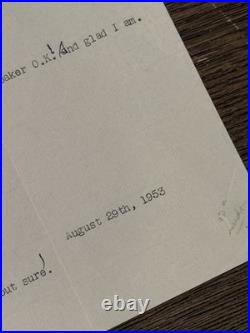
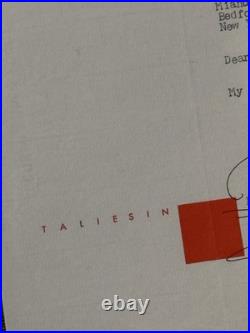
Offered here is an original typed and hand-signed letter by Frank Lloyd Wright, dated August 29, 1953, written on iconic Taliesin letterhead and addressed to: Mrs. Judith Sander Sheltering Hill Mianus River Road Bedford, New York This letter is part of a larger connected correspondence group between Wright and the Sander family, referencing an individual named “Baker, ” suggesting an ongoing project or shared relationship. Full Letter Transcription: Dear Mrs. Sander: You are the baker O. My best to you both. ! Faithfully, (signed) Frank Lloyd Wright Details are slow but sure. August 29th, 1953? Key Observations & Connections 1. Same Family, Same Address Pattern This letter ties directly to your previous one. Mrs. Sander (earlier letter, 1952). Mrs. Judith Sander (this letter, 1953). Same location: Mianus River Road, Bedford, NY?? This strongly suggests. Judith Sander is likely the wife of Frank S. Sander. Wright is addressing her more personally here (first name vs formal household reference)? 2. The “Baker” Reference – What Does It Mean? Across your letters, Wright repeatedly references. “official baker and her helper”. You are the baker O. This is not literal baking-this is classic Wright tone: informal, metaphorical, slightly playful. ? Likely meanings. A nickname or role within a project. Someone “producing” or “putting things together”. Possibly referring to. A client managing details. A patron coordinating logistics. Or even a term of endearment within a working relationship? Was Wright Building a House for the Sanders? This is the right question-and here’s the honest, expert take: What supports that idea. Repeated correspondence over multiple years. Personal tone (not just business-like). Mentions of “details are slow but sure”? Classic Wright project language. East Coast wealthy clientele (Bedford, NY fits perfectly). Invitation to meet in NYC (previous letter) What we don’t yet have. A documented “Sander House” directly attributed to Wright (as of known canonical works)?? Conclusion (strong but careful). The Sanders were very likely prospective clients or engaged in a project discussion. This could represent. An unbuilt commission. A preliminary design phase. Or a personal relationship that never resulted in a finalized structure?? And honestly-this is GOOD for you: Unbuilt or undocumented client relationships are very appealing to collectors because they show Wright’s process, not just finished work. What Wright Was Doing in 1953 In 1953, Wright was in one of the most active late periods of his career. Continuing development of the Solomon R. Guggenheim Museum. Designing major late works. Usonian homes. Synagogue projects (like Beth Sholom, slightly later). Traveling frequently between Taliesin (WI/AZ) and New York?? This makes the Sander correspondence even more relevant: They were interacting with Wright at the height of his late-career influence? 4. Tone & Personality (Important for Buyers) This letter is especially valuable because it shows Wright’s personality. Playful You are the baker O. “. Personal (“My best to you both”). Philosophical (“Details are slow but sure) This is not boilerplate correspondence-this is Wright being Wright. Why This Letter Matters. Part of a multi-letter correspondence group (VERY important). Shows a developing personal/client relationship. Includes handwritten signature + added line. Demonstrates Wright’s working tone and process. Likely tied to a potential or unrealized commission? Condition Notes. Original Taliesin letterhead with red insignia. Fold lines from mailing/storage. Light age toning. Strong, clear signature. Pencil notation bottom right (likely archival/pricing mark).
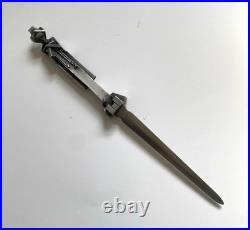
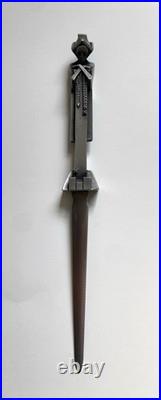
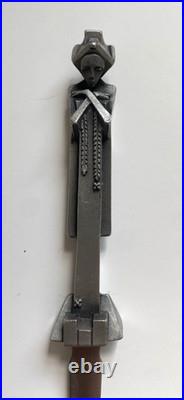
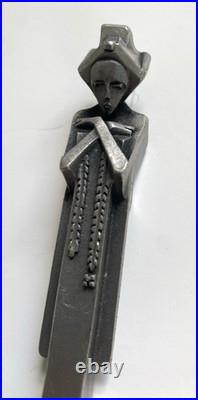
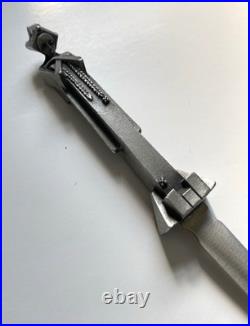
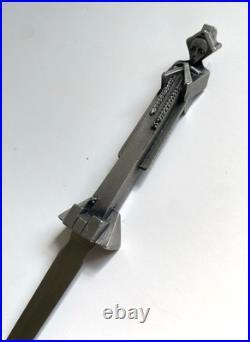
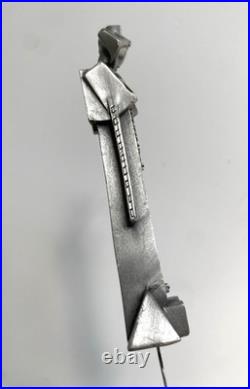
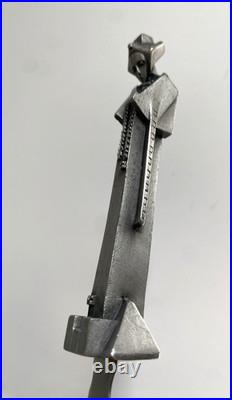
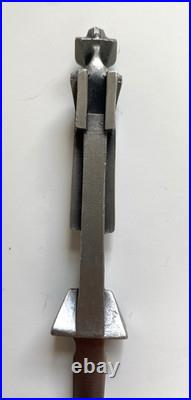
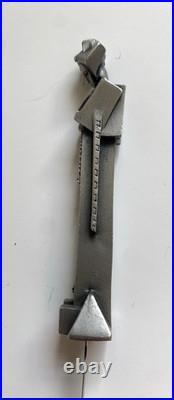
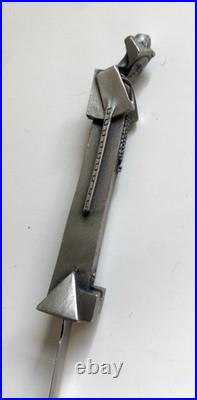
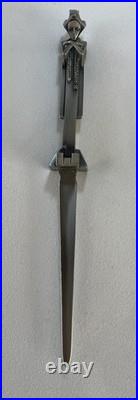
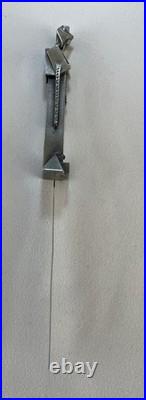
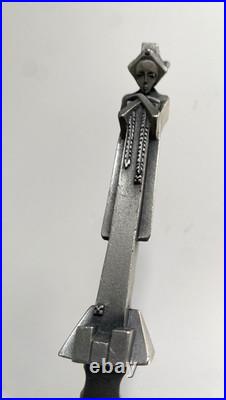
This vintage metal letter opener by Frank Lloyd Wright is a unique and stylish addition to any desk or collection. Made of pewter and stainless steel, it features intricate designs inspired by the Art Deco period, embodying the distinctive aesthetic of the era. Specifically crafted in the United States, this piece showcases the elegance and craftsmanship that FLW is known for, making it a rare and coveted collectible for enthusiasts of both vintage items and architectural design. It is called an art deco Garden Sprite letter opener by Frank Lloyd Wright.
The Frank Lloyd Wright Art Deco Metal Letter Opener is a vintage collectible made of tin, measuring 8 inches in length. This stylish and functional desktop item features a unique design inspired by the Art Deco style popular in the early 20th century. Perfect for both practical use and as a decorative piece on a desk, this letter opener is a timeless and elegant addition to any workspace or collection. Pewter handle, stainless steel blade.
Offered here is an original typed and hand-signed letter by legendary American architect Frank Lloyd Wright, dated January 12, 1955, and sent from his renowned Taliesin West studio in Scottsdale, Arizona. This intimate and lighthearted note showcases a more personal side of Wright-far removed from formal architectural correspondence. Full Letter Transcription: Happy New Year to the official baker and her husband. Affection, (signed) Frank Lloyd Wright January 12th, 1955? About the Correspondence Unlike more formal letters, this example reflects Wright’s personal relationships within his inner circle, likely written to friends, associates, or members of the Taliesin Fellowship community. The phrase “official baker and her husband” suggests a familiar, possibly domestic connection-very likely tied to life at Taliesin, where apprentices, staff, and extended community members often lived, worked, and shared meals together. Wright was known for fostering a tight-knit, almost familial environment at Taliesin West, and food, hospitality, and communal living were central to that experience. Letters like this offer a rare glimpse into that world-where relationships extended beyond architecture into daily life. Historical Context By 1955, Frank Lloyd Wright was at the height of his late-career renaissance. He was actively working on major commissions, including the Guggenheim Museum, while continuing to mentor apprentices at Taliesin West. Personal notes such as this are particularly desirable, as they humanize Wright-revealing humor, warmth, and appreciation for the people around him. Details & Condition. Original typed letter on Taliesin West letterhead. Distinctive Taliesin red square insignia present. Hand-signed by Frank Lloyd Wright in ink. Dated: January 12, 1955. Light age toning consistent with period. Well-preserved with strong, legible signature? Provenance This letter comes from the collection of a prominent Scottsdale estate and collector, further reinforcing its authenticity and direct connection to Taliesin West and Wright’s Arizona years. Why This Piece Matters. Personally signed by Frank Lloyd Wright. Warm, personal New Year message-uncommon tone. Direct connection to Taliesin West community life. Early-to-mid 1950s correspondence during peak creative period. Highly displayable and conversational piece? Perfect For. Frank Lloyd Wright collectors. Architectural history enthusiasts. Taliesin / Scottsdale collectors. Autograph and manuscript collectors. Interior designers seeking meaningful, framed conversation pieces.
Frank Lloyd Wright Autograph Letter Signed Taliesin West, February 23, 1954 An exceptional and highly desirable piece of mid-century design history-an original signed letter from Frank Lloyd Wright to renowned designer T. Robsjohn-Gibbings, written from Wright’s desert studio at Taliesin West in Scottsdale, Arizona. This correspondence captures a moment of professional recognition between two defining voices of 20th-century design. Letter Content Dear Robsjohn: TIME was good – but all will help circulate the book! Affection, Frank Lloyd Wright Boldly signed in ink by Wright. Historical Significance Dated February 23, 1954, this letter references contemporary media attention-specifically a TIME Magazine feature-surrounding Robsjohn-Gibbings and the promotion of his design philosophy and published work. By this period, Robsjohn-Gibbings had firmly established himself as a leading tastemaker through his influential writings, including Goodbye, Mr. Chippendale, which challenged traditional revivalism and helped define a more intellectual and restrained modern aesthetic. Wright’s remark-”all will help circulate the book”-offers a rare, candid glimpse into the role of national press in shaping design discourse during the height of the mid-century era. It also reflects a moment of mutual awareness and respect between two figures who, while stylistically distinct, were both instrumental in shaping modern American taste. Provenance Acquired from the estate of a prominent Scottsdale, Arizona collector, known for assembling a focused and high-quality collection of architectural and design-related material. A compelling regional connection-this letter originates from Taliesin West and remained in the same geographic sphere for decades. 11″ x 8″. Condition: Light age toning, original fold lines, and minor spotting consistent with age. Presents beautifully with a strong, legible signature. Collector Notes. Direct correspondence between two major figures in architecture and design. References TIME Magazine-rare contextual detail in Wright letters. Taliesin West origin adds significant desirability. Increasingly scarce material connecting Wright to other design-world contemporaries? Additional Listings Please view my other listings for additional letters and material from this same collection, including other significant correspondences related to Frank Lloyd Wright and mid-century design history.
Offered here is an original typed and hand-signed letter by legendary American architect Frank Lloyd Wright, dated June 12, 1954, from his celebrated Taliesin West studio in Scottsdale, Arizona. This piece is part of a small group of intimate, personal correspondences-offering a rare and candid glimpse into Wright’s day-to-day relationships within his inner circle. Full Letter Transcription: My dear official baker and her helper: Thanks. All goes on better and better. With you two too, I hope. Faithfully, (signed) Frank Lloyd Wright June 12th, 1954? About the Correspondence This letter closely relates in tone and subject to the 1955 example you have, suggesting an ongoing personal relationship between Wright and the recipients-likely members of the Taliesin Fellowship or close associates involved in daily life at Taliesin. The repeated reference to the “official baker” reinforces the idea of a communal living environment, where roles-both formal and informal-were integral to the rhythm of Taliesin life. Wright’s acknowledgment of such roles highlights his appreciation for the people who contributed to the functioning of his architectural community. The phrase “All goes on better and better” offers a subtle but meaningful insight into Wright’s mindset during this period-one of continued productivity and optimism in his later years. Historical Context In 1954, Frank Lloyd Wright was deep into one of the most productive late phases of his career. Operating out of Taliesin West, he was not only designing major works but also mentoring apprentices in an immersive, community-driven environment. Letters like this are especially compelling because they move beyond formal commissions and reveal the human side of Wright-his humor, gratitude, and everyday interactions. Details & Condition. Original typed letter on Taliesin West letterhead. Iconic Taliesin red square insignia present. Hand-signed by Frank Lloyd Wright in ink. Dated: June 12, 1954. Light age toning consistent with period. Strong, clean signature with characteristic flourish. Fold lines as expected from mailing/storage? Provenance This letter comes from the collection of a prominent Scottsdale estate and collector, adding strong regional and historical relevance-particularly given its origin from Taliesin West itself. Why This Piece Matters. Personally signed by Frank Lloyd Wright. Intimate, informal correspondence. Direct connection to Taliesin West community life. Companion piece to similar Taliesin correspondence (great for grouping). Insight into Wright’s personal tone and relationships? Perfect For. Frank Lloyd Wright collectors. Architectural historians. Taliesin / Scottsdale collectors. Autograph and manuscript collectors. Interior designers seeking meaningful, displayable works.
Make an Offer Today and. Get a Quick Response! FRANK LLOYD WRIGHT – TYPED LETTER SIGNED 01/28/1953 – HFSID 295422. FRANK LLOYD WRIGHT The influential American architect responds to a letter from a woman in Washington, D. Saying Is the enclosure with your card intended to serve notice to me that I have had my labor for my pains? Or “Love’s labor lost”. ” Typed Letter signed: ” Frank Lloyd Wright , 1 page, 11×8½. Scottsdale, Arizona, 1953 January 28. On letterhead of Taliesin West, a home Wright built in 1937, and addressed to Miss Jency Price, Washington, D. In full: My dear Jency Price: Is the enclosure with your card intended to serve notice to me that I have had my labor for my pains? “Round Towers” sounds expensively wrong to me. Accompanied by the original transmittal envelope, postmarked Scottsdale, Arizona, January 28, 1953. However, Wright revolutionized architecture with his ideas. He adapted his buildings to the environment, using the colors, forms, and textures of nature to furnish the aesthetic as well as functional needs of the inhabitants. Among Wright’s most notable structures are the Imperial Hotel in Tokyo (1922); Fallingwater in Mill Run, Pennsylvania (1936); and the Guggenheim Museum in New York City (1959), along with his homes Taliesin in Spring Green, Wisconsin (1911); and Taliesin West in Scottsdale, Arizona (1937). He also wrote several books, including An Organic Architecture (1939), When Democracy Builds (1946), and An American Architecture (1955). Two 1-inch tears at top left. See additional material from these signers. See 1,675 other listings in these categories. Please note that this is an authentically signed item. We do not sell autograph copies or signature reprints. Images shown may contain our company watermark. The actual item does not contain this watermark. This item has been authenticated and is accompanied by a Certificate of Authenticity issued by our parent company, Gallery of History, Inc. We financially stand behind our COA. Ask us about our PSA/DNA and JSA authentication guarantee. Our Third & Best Handbook. Your Guide to Historical Documents. For both experienced and novice collectors, and for those who simply love learning history, this beautiful 253-page hardcover volume is for you! Visit Us Today to See Over 40,000 Rare Autographs and Manuscripts! Explorers & Western Americana. Gallery of History is the world’s largest dealer of authentic autographs and manuscripts. Our inventory contains items in all areas of interest, including presidents, royalty, military, aviation, religion, business, science, celebrities, sports, music, authors, and more. Whether you’re looking to add to your collection, acquire a unique centerpiece for the home or office, or find a truly one-of-a-kind gift for someone special, you’ll find it here at HistoryForSale. The Gallery of History. Founded in 1981, is a long-standing UACC Registered Dealer, #RD110, and is a long-standing member of the Manuscript Society. The Gallery of History is the largest dealer in the world, with an available inventory exceeding 230,000 rare autographs and manuscripts. Our unframed items are sent either in acid-free archival sleeves or encapsulated, when noted. The majority of our in-house framed items are also encapsulated in acid-free sleeves to guard against organic acids, mounted in an acid-free environment, and framed behind glass or UF3-AR Plexiglas, which blocks most ultraviolet light. We warrant to the original purchaser, for a period of ten (10) years from the date of sale, the authenticity of any autograph offered by HistoryForSale. Gallery of History is not liable for any other damages, including consequential damages. There are no other warranties of any nature, either expressed or implied, including but not limited to the warranties of merchantability and fitness for a particular purpose.